









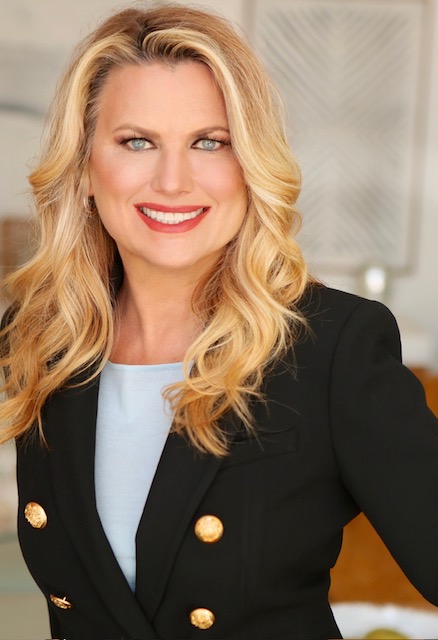
Nicole Mendez has served as Executive Director of the Mendez National Institute of Transplantation Foundation (MNITF) since 1995. MNITF is a public nonprofit dedicated to advancing the science and practice of organ transplantation and therapies for end-stage organ disease through research, education, and innovation. The organization was founded by Nicole’s father and uncle, Dr. Rafael Mendez and Dr. Robert Mendez, whose groundbreaking work laid the foundation for MNITF’s enduring mission.
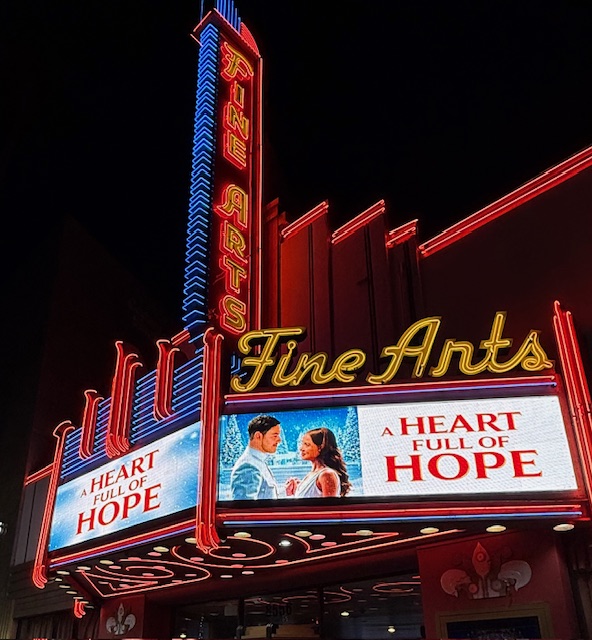
Fourteen years ago, Nicole launched MNITF’s innovative Edutainment initiative, producing film and television projects designed to both educate and engage audiences on critical transplant-related issues. In 2022, she partnered with producer Suzanne DeLaurentiis to expand this vision, co-writing and co-producing two award-winning films: The Christmas Chain (2024) and A Heart Full of Hope (2025), starring Michael Paré and Academy Award nominee Eric Roberts. Both films have garnered millions of views across streaming platforms and received multiple honors on the film festival circuit.
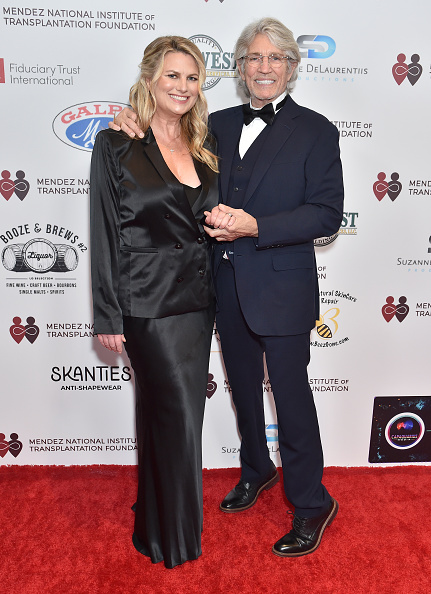
Nicole’s additional award-winning projects include the docuseries Fixing Paco and the television episodic Linked by Love, further reflecting her commitment to storytelling that inspires awareness, compassion, and action. https://mnitf.org/
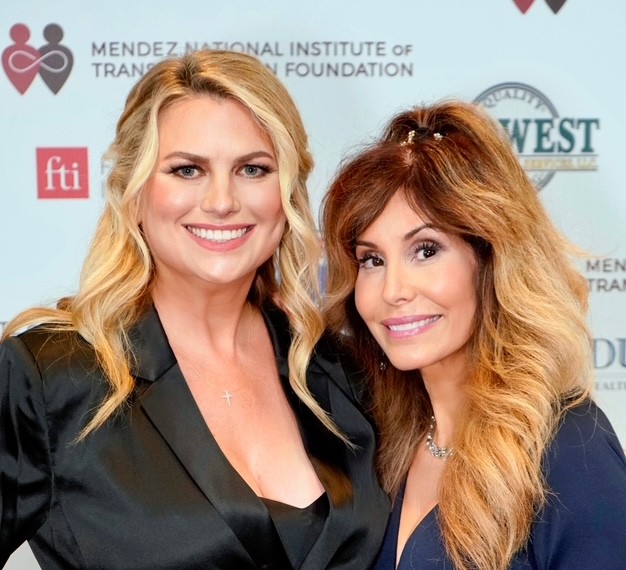
MNITF was founded on the groundbreaking medical contributions of your father and uncle, Dr. Rafael and Dr. Robert Mendez. How has their legacy influenced your own leadership and the direction you’ve taken the Foundation over the years?
My father and uncle’s vision in advancing transplantation and providing access to underserved populations has been the guiding force behind everything I do. Their groundbreaking work taught me that medical innovation means nothing if it doesn’t reach those who need it most. It is my utmost priority to ensure that MNITF continues to fulfill their mission, and I see my role as both honoring their legacy and building upon it to expand our reach and impact even further.
You’ve led MNITF since 1995 — a remarkable tenure. Looking back, what have been the most transformative moments or breakthroughs you’ve witnessed in the world of organ transplantation?
Since I began leading MNITF in 1995, I’ve witnessed numerous scientific advances and breakthroughs in transplantation. But one of the most transformative shifts has been in patient education and support. When I first started, there was a significant gap in providing transplant recipients with information about what to expect after surgery, how to maintain a healthy transplant, and where to find ongoing support. Today, comprehensive transplant education is standard at transplant centers nationwide. This evolution is crucial because even the most remarkable scientific advances mean nothing if recipients aren’t empowered to maintain compliance with their healthcare regimens.
Fourteen years ago, you launched the Foundation’s Edutainment initiative, which merges research-based education with film and media storytelling. What motivated you to bridge these two worlds?
Access to kidney transplantation remains a significant barrier for underserved communities. I initially created a one-on-one education program for dialysis patients to help them access transplantation and understand the importance of maintaining a healthy transplant. While successful, our access to patients ended as independent dialysis centers were acquired by large corporations. The challenge became: how do we reach these patients and at-risk communities with life-saving information about transplantation and kidney disease prevention? Entertainment became the answer. By grounding our storytelling in scientific research, we create content that medical professionals can confidently share with their patients while resonating with our intended audiences. For example, the Fixing Paco series speaks directly to the Hispanic/Latino population, while Linked by Love reaches the African American/Black community.
The partnership you formed with producer Suzanne DeLaurentiis has brought MNITF’s mission to a much wider audience. How did that collaboration begin, and what creative synergy do you share?
Suzanne DeLaurentiis initially served as the event planner for MNITF’s Linked by Love Red Carpet Premiere and Gala. We worked incredibly well together from the start. She understood my focus on providing vital health information through entertainment to the general public and recognized that Linked by Love and Fixing Paco were limited in reach while sitting on MNITF’s website. She suggested we partner to create films for a wider audience, combining her expertise in entertainment with my understanding of the critical information needed to raise kidney disease awareness and promote access to transplantation and living donation, especially for at-risk populations. It has been a wonderful and impactful partnership.
Both The Christmas Chain and A Heart Full of Hope have achieved tremendous success with audiences and on the festival circuit. What do you think makes these stories so universally resonant?
Christmas films have become incredibly popular—people watch them year-round. Kidney failure is a frightening reality for those facing kidney disease. By creating stories that tackle this scary subject while weaving in uplifting themes of hope, community, and resilience, we reach audiences both emotionally and educationally. The key is to entertain first—these films offer comfort and an engaging story, while naturally delivering vital information that makes a difficult topic accessible and inspiring.
Translating complex medical topics into emotionally engaging cinema is no small feat. What are the biggest challenges and rewards in that process?
Creating a story that is both medically accurate and entertaining is a delicate balance. The challenge is incorporating essential medical information without compromising the entertainment value—audiences need to be engaged first, or the message won’t land. I think Suzanne DeLaurentiis and I have found that sweet spot together. The reward is knowing that viewers are absorbing life-saving information while being moved by a compelling story. When people tell us they learned something vital while enjoying the film, that’s when we know we’ve succeeded.
Your projects, from Fixing Paco to Linked by Love, spotlight real human experiences with organ donation and transplant. How do you decide which stories will best convey the heart of MNITF’s mission?
Fixing Paco and Linked by Love were created specifically to reach populations with high rates of kidney failure and significant disparities in access to transplantation. For both series, I wanted the intended audiences to see themselves in the characters, to find hope, and to witness how family strength can make all the difference. Each story depicts a loving family committed to supporting their loved one through the transplant journey. The decision comes down to authenticity and relatability—we choose stories that reflect the real experiences of the communities we’re trying to reach, showing both the challenges and the resilience.
Beyond awareness, your work seems to foster empathy — a deeper understanding of what patients and families endure. How intentional is that emotional connection in your creative approach?
When I was originally hired at MNITF part-time to create an affiliate group for fundraising, I was simultaneously interning as a Marriage and Family Therapist at a clinic serving clients with chronic illness. That’s when I witnessed firsthand how the psychosocial and emotional needs of kidney disease patients were being overlooked. These patients and families were facing not just a medical crisis, but profound fear, grief, and uncertainty—and they had nowhere to turn for that kind of support. It moved me deeply. That realization led me to create MNITF’s education department with an intentional focus on the whole patient experience—not just the medical facts, but the emotional journey. Fostering empathy in our films is absolutely intentional. I want audiences to feel what these families feel—the fear, the hope, the love that drives someone to donate an organ. When we create that emotional connection, we’re not just raising awareness; we’re inspiring compassion and action. My goal has always been to support patients through a psychosocial approach that complements their medical care, because healing isn’t just physical—it’s emotional, relational, and deeply human.
The success of MNITF’s film projects has positioned the Foundation as both a scientific and storytelling leader. What directions are you exploring next for the Edutainment division?
All options are on the table; a focus is towards kidney disease prevention. The statistics are staggering: 1 in 7 Americans—approximately 37 million people—have kidney disease, and as many as 9 in 10 don’t discover it until the disease is advanced. The tragedy is that kidney disease and failure are often preventable, but education is critical. In 2026, we’re releasing new PSAs focused on kidney disease prevention and organ donation, partnering with celebrities such as Eric Roberts and Michael Pare to amplify the message. Reducing disparities among high-risk populations remains central to our mission. Our newest film, A Heart Full of Hope, released in late 2025, includes a storyline highlighting the elevated risk of kidney disease in Native American communities. We’re honored that Oscar-winning actor Wes Studi created a PSA specifically reaching Native American audiences—his voice and credibility are invaluable. Looking ahead, we plan to continue producing films that reach new audiences and tackle new challenges. We’re even exploring stories about liver transplantation to expand our impact beyond kidney disease. The Edutainment model has proven itself, and we’re committed to using it wherever we can save lives.
Ultimately, whether through advocacy or artistry, your work calls people to action. What message do you hope viewers carry with them after experiencing your films or learning about MNITF’s mission?
While our Edutainment projects target specific audiences with tailored messages, our goal is for each film to be genuinely entertaining and meaningful for everyone. Ultimately, I hope viewers walk away with a deeper appreciation for their own health and the power they have to help others—whether that’s through preventive care, having conversations with their families, or considering organ donation. Most importantly, I want people to recognize that they can make a tangible difference in someone’s life. If our films inspire even one person to become a living donor, get tested for kidney disease, or simply start taking better care of themselves, we’ve succeeded. And for those moved to learn more or support this work, I invite them to visit MNITF.org to explore our mission and consider contributing so we can continue creating content that saves lives.
Photos courtesy of MNITF

Nicole Goesseringer Muj is the founder of Kultura PR International, a public relations company that specializes in international entertainment and cultural clients. Ms. Muj is also involved in booking A-list Western music artists and celebrities in Europe, Mexico, and Asia. Previously, she served as Associate Director, Worldwide Publicity, E! Networks and held senior-level positions at Los Angeles-based mPRm Public Relations and Comspan Communications. She is the co-founder of the French Riviera Film Festival and co-publisher of Indie Entertainment Media.
