

Shelli Stelmak is an on-air host and multimedia entertainment reporter who has interviewed hundreds of stars across film, television, and music. From red carpets and press junkets to studio and live-event coverage, she is known for creating engaging, authenticconversations that bring out the person behind the public persona.
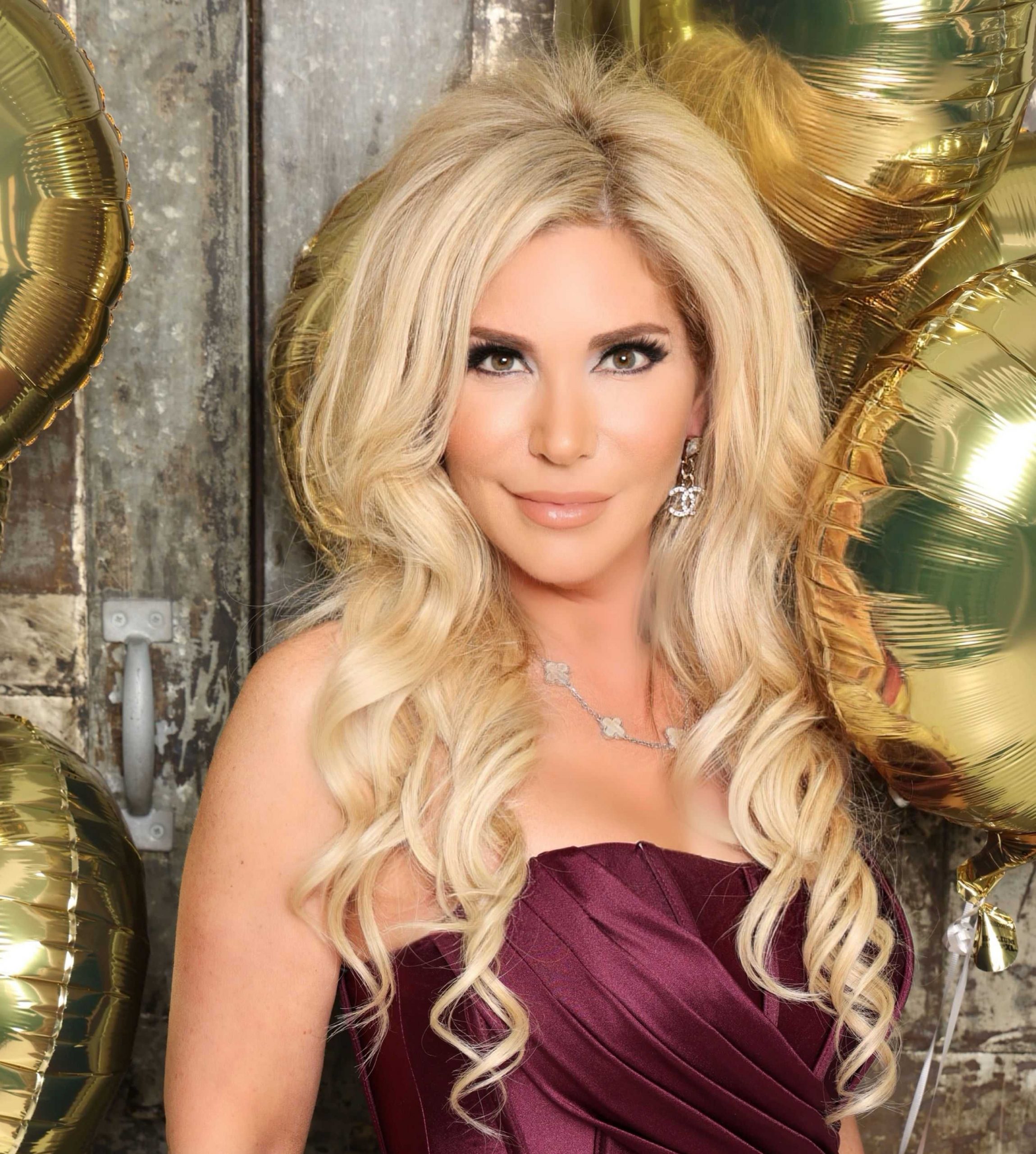
Informer Digital had the opportunity to speak with Shelli about her approach to successful celebrity interviews, from earning a guest’s trust to finding the unexpected moments that make a conversation memorable.
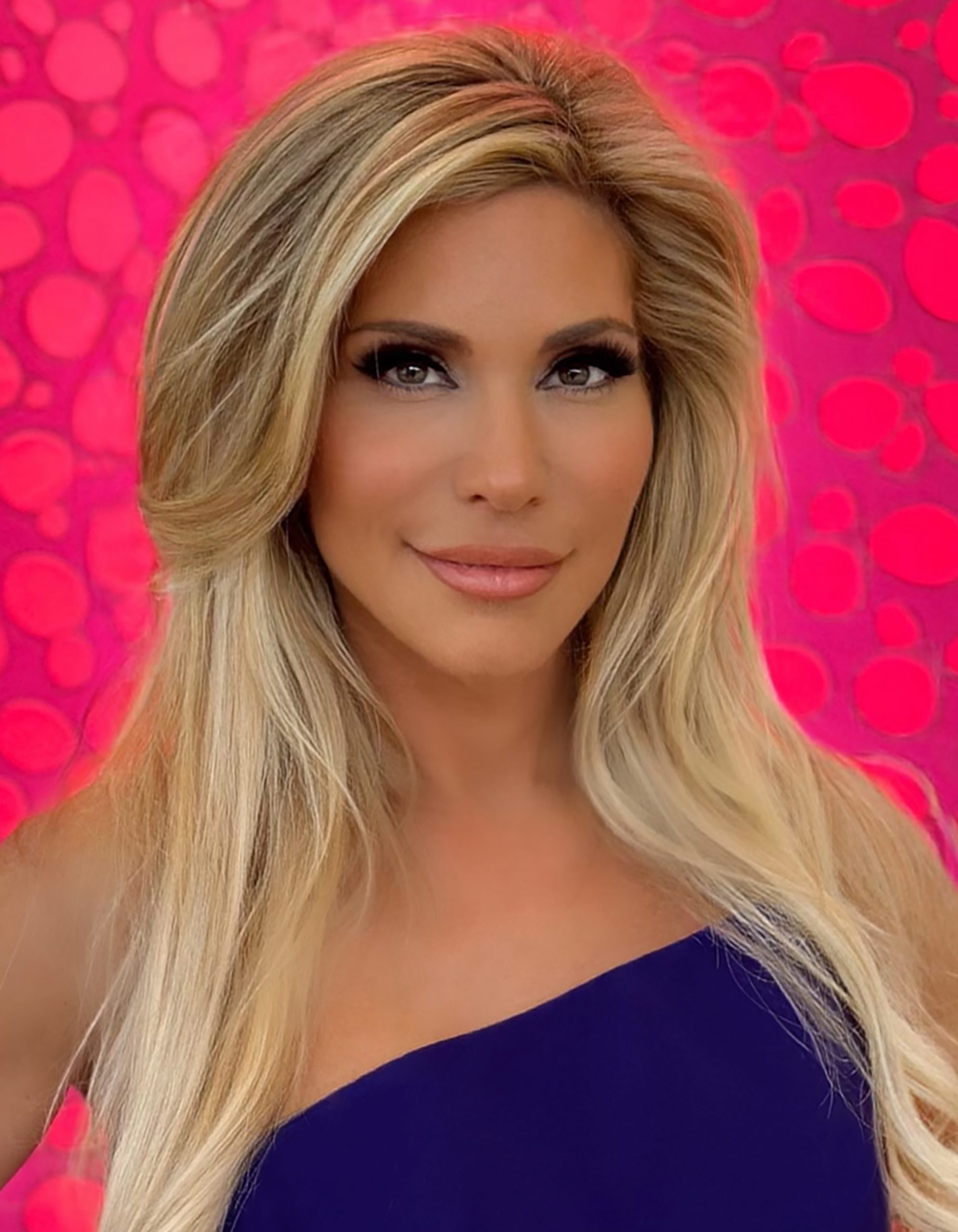
You’ve interviewed hundreds of stars across red carpets, junkets, studios, and street-style settings—what is the real secret to making a celebrity interview feel fresh rather than formulaic?
The real secret is preparation, but also genuine curiosity. I do a lot of research before every interview because I never want to ask someone the same questions they have answered a hundred times. Sometimes a question immediately jumps out at me, and other times I really think about what audiences would genuinely want to know and how I can approach it from an angle they haven’t heard before.
But preparation only gets you so far. Once the interview starts, I listen. I want it to feel like a conversation, not a checklist of questions. I think people open up to me because they can sense that I am genuinely interested in them, and I want them to feel comfortable. I will often use humor and let my personality come through, but when the subject is serious, I approach it with compassion and respect.
For me, the best celebrity interviews happen when you create enough trust that, for a few minutes, they forget they are being interviewed. That is when you get the answers and the moments that feel fresh and real.
How do you prepare for an interview with someone whose public story has already been told many times, and what helps you uncover a new angle?
When someone’s public story has already been told many times, I study harder and dig deeper. The challenge is finding something that hasn’t been asked or finding a completely different way into a familiar story.
I have interviewed Mr. Robert “Kool” Bell of Kool & The Gang many times, so each interview becomes an exercise in finding a fresh angle. I knew he had several projects he wanted to promote, but I also wanted to create a moment that would bring out his personality rather than simply run through a list of promotions. During my research, I learned that the nickname “Kool” came from how laid-back he was. So I asked him how he could possibly remain so cool and laid-back while juggling everything he had going on. After we talked through all those projects, he gave me an answer I will always remember: “Well, I’m still cool, laid-back with some action.” I loved that response because it was spontaneous, personal, and completely him. That is what I am always looking for: the angle that allows someone to talk about what matters to them while still giving the audience something unexpected. Those moments are exactly why I love what I do.
What do the best celebrity interviewers do in the first 30 seconds to establish trust and put their guest at ease?
I can’t speak for other interviewers, but I know what works for me. Trust starts before the camera rolls. I make eye contact, connect with the person, and create an environment where they know I am going to be fair. I have built a reputation for never using an uncomfortable moment or one misplaced sentence simply for sensationalism. I will push the envelope and ask interesting questions, but if something could be misconstrued, I make sure the person is comfortable with it, even after the interview. I have actually had celebrities who did not want to speak to the press agree to interview with me because someone they trusted gave them the nod that I was “safe.” That means a lot to me. You can ask compelling questions without sacrificing kindness, fairness, or integrity.
When you are working in a fast-paced red-carpet environment, how do you balance getting the essential headline with creating a spontaneous, memorable moment?
Red carpets move incredibly fast, so you are balancing preparation, instinct, and listening all at once. Experience has taught me to read the person in front of me: what I can ask, how I can ask it, and when to pivot.
I once interviewed a rock legend who was being honored for his work with a famous band, but I was specifically told not to ask about the band or his bandmates. So I pivoted and asked about his craziest fan experience, expecting a wild rock-and-roll story. Instead, he told me about his experience as a fan meeting someone he admired. It wasn’t the answer I expected; it was better. It was genuine and emotional.
That’s the magic of a red carpet: prepare for the headline, but always leave room for the unexpected.
Can you share an example of a time you changed course during an interview because a celebrity’s answer revealed a more authentic or unexpected story?
One that immediately comes to mind is Michael Strahan. I had prepared extensively because he has accomplished so much, from record-setting football to television, books, fashion, production, and even going to space. So I asked him, “What can you possibly do next that you still haven’t done? It seems like you have done it all.” Without hesitation, he said, “I want to retire.” I definitely wasn’t expecting that! We both laughed, and instead of moving to my next prepared question, I went with the moment. I told him I couldn’t imagine someone like him, who is constantly doing so much, ever really retiring. He laughed and admitted, “Well, maybe not right away.” It became this wonderfully genuine exchange. That’s why listening is so important. You can prepare every question, but sometimes the unexpected answer takes you somewhere much better.
With social media, podcasts, broadcast television, and short-form video all competing for attention, how have audience expectations for celebrity interviews changed?
Audiences have become professional scholars. You have seconds, not minutes, to give them a reason to stop. They have already seen the headline, the Instagram post, and probably three clips before your interview airs, so they are looking for something they can’t Google: personality, honesty, and an unexpected moment.
The celebrity interview isn’t disappearing; it just has to work harder. Whether it’s a 30-second Reel or a television segment, audiences still want a great story. They just want you to get to it faster.
What advice would you give aspiring entertainment reporters who want access to high-profile talent while still building a reputation for thoughtful, genuine storytelling?
First, make sure you really love it, because entertainment reporting looks a lot more glamorous on Instagram than it does at hour six of a red carpet in uncomfortable shoes!
Access doesn’t happen overnight. Be patient, build a reputation for integrity, trust your instincts, and treat everyone with respect. You will face long hours, sometimes low pay, criticism, and plenty of people asking, “Why didn’t you ask them this?” My advice is to stay true to yourself and never sacrifice thoughtful storytelling just to get a headline. And prepare, then prepare some more. In this business, expect the unexpected, because it usually shows up five minutes before you go on camera.